
Title loan defaults have severe long-term effects, including vehicle repossession, high-interest debt cycles, credit score damage, and legal actions. Mitigate these consequences by understanding loan terms, exploring alternatives like personal loans, practicing responsible borrowing, and seeking financial advice. Proactive measures in lending, such as strict requirements and transparent communication, can empower borrowers and protect lenders from loss, fostering a more stable financial environment.
Title loans, often seen as a quick financial fix, can have profound long-term implications when borrowers default. This phenomenon deserves close examination due to its significant economic and social repercussions. When individuals fail to repay these short-term loans secured against their vehicle titles, it triggers a cascade of consequences that can affect their creditworthiness, daily lives, and future financial opportunities. Our article delves into the multifaceted impact, highlighting not only the immediate effects of default but also the lasting damage it can inflict on borrowers’ economic well-being. By understanding these Title Loan Default Consequences, consumers can make informed decisions and lenders can adopt more responsible practices.
- Understanding Title Loan Default Consequences
- Short-Term vs Long-Term Effects on Borrowers
- Mitigating Risk: Preventing Default & Protecting Assets
Understanding Title Loan Default Consequences

Title loan defaults can have significant long-term consequences for borrowers, often exacerbating an already challenging financial situation. When individuals opt for title loans, which are secured against their vehicle’s title, they agree to pay back the borrowed amount plus interest within a specified period. However, failure to meet this obligation—defaulting on the loan—can lead to a cascade of negative effects. One of the immediate results is the repossession of the collateral vehicle, causing borrowers to lose their transportation means, which is crucial for employment and daily activities.
The online application process, coupled with same-day funding offered by many title pawn providers, might seem appealing to those in urgent need of cash. However, this convenience comes with risks. Borrowers often face high-interest rates and stringent repayment terms, making it difficult to break free from the debt cycle. For instance, a study found that over 70% of title loan borrowers refinance or roll over their loans within 30 days, deepening their financial distress. Title loan default consequences can include additional fees, legal actions, and damage to one’s credit score, making it harder to secure future financing.
Experts advise that individuals facing unexpected expenses should explore alternative solutions like personal loans from traditional banks or credit unions, which often offer more favorable terms and interest rates. It is crucial for borrowers to thoroughly understand the terms of any loan agreement, especially when dealing with secured loans like title pawns. By being informed and proactive about repayment options, individuals can mitigate potential title loan default consequences and maintain long-term financial stability.
Short-Term vs Long-Term Effects on Borrowers
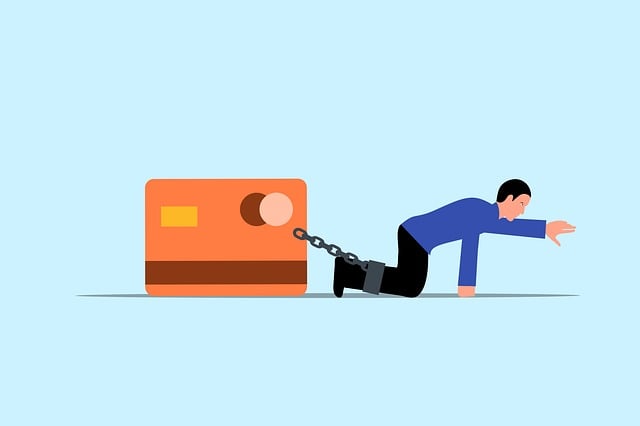
Title loan defaults can have profound short-term and long-term effects on borrowers, often exacerbating existing financial strain or leading to more severe consequences. In the immediate term, a default results in accelerated repayment demands, causing cash flow issues for borrowers who rely on these loans for quick funding. This is particularly evident in the context of Houston title loans, where many residents turn to secured loans as a last resort due to limited access to traditional banking services or unexpected financial emergencies. When a borrower fails to meet the loan obligations, they may face repossession of their asset—in this case, the vehicle’s title—leading to transportation disruptions and additional fees.
However, the true long-term impact extends far beyond these immediate challenges. Defaulting on a title loan can significantly damage a borrower’s credit score, making it harder for them to secure future loans or favorable interest rates. This is a critical consideration given that many individuals who opt for title loans do so because they lack access to conventional financing options due to poor credit histories. Over time, repeated defaults can lead to a cycle of dependency on high-interest short-term funding, further aggravating financial instability. Moreover, legal repercussions and collection efforts can add emotional and financial stress, hindering borrowers’ ability to break free from the loan trap.
To mitigate these consequences, borrowers should prioritize responsible borrowing practices. This includes thoroughly understanding the terms and conditions of any title loan agreement, seeking alternatives like building credit through small, manageable loans, and consulting with financial advisors or non-profit organizations specializing in debt management. By taking proactive measures, individuals can avoid falling into a cycle of default and its associated long-term effects, ensuring better financial health and a more sustainable future.
Mitigating Risk: Preventing Default & Protecting Assets

Title loans, particularly in cities like Fort Worth, can be a short-term solution for urgent financial needs, but understanding the long-term impact of potential defaults is crucial. Mitigating risk through proactive measures can prevent these consequences and protect borrowers’ assets. Loan requirements and strict adherence to regulations play a pivotal role in this process, especially when catering to individuals with bad credit who often turn to non-traditional loan options.
One of the primary risks associated with title loan defaults is the potential loss of collateral—the borrower’s vehicle. In many cases, borrowers sign over the title of their car, which can lead to repossession if payments are missed. According to recent data, over 30% of title loan borrowers in Texas face repossession or default within the first year. To counter this, lenders should implement comprehensive risk assessment strategies, including thorough credit checks and evaluation of income stability. Fort Worth loans specifically should focus on transparent communication about loan requirements, ensuring borrowers comprehend the terms and conditions to avoid accidental defaults.
Preventative measures can significantly reduce title loan default consequences. Lenders can offer flexible repayment plans tailored to individual circumstances, providing much-needed relief and decreasing the likelihood of default. Additionally, educating borrowers about financial management and credit improvement strategies empowers them to make informed decisions, enhancing their long-term financial health. By prioritizing these proactive steps, lenders not only mitigate risks but also foster a positive relationship with their clients, ensuring a more stable lending environment.
The article has illuminated the multifaceted nature of title loan default consequences, demonstrating their profound and lasting impact on borrowers. Key insights reveal that while short-term effects can include repossession and financial strain, long-term repercussions extend to credit score damage, legal implications, and even loss of assets. However, understanding these risks is the first step towards mitigation. By implementing strategies such as responsible borrowing practices, asset protection, and seeking expert advice, individuals can effectively navigate title loan default consequences and safeguard their financial well-being. This article has provided essential knowledge, empowering readers to make informed decisions and avoid potential pitfalls associated with title loans.